The Other Side of History: The Most Curious Beliefs and Death Rituals of Ancient Civilizations
Explore historical death beliefs and discover unique rituals that ancient civilizations used to face the mystery of parting.
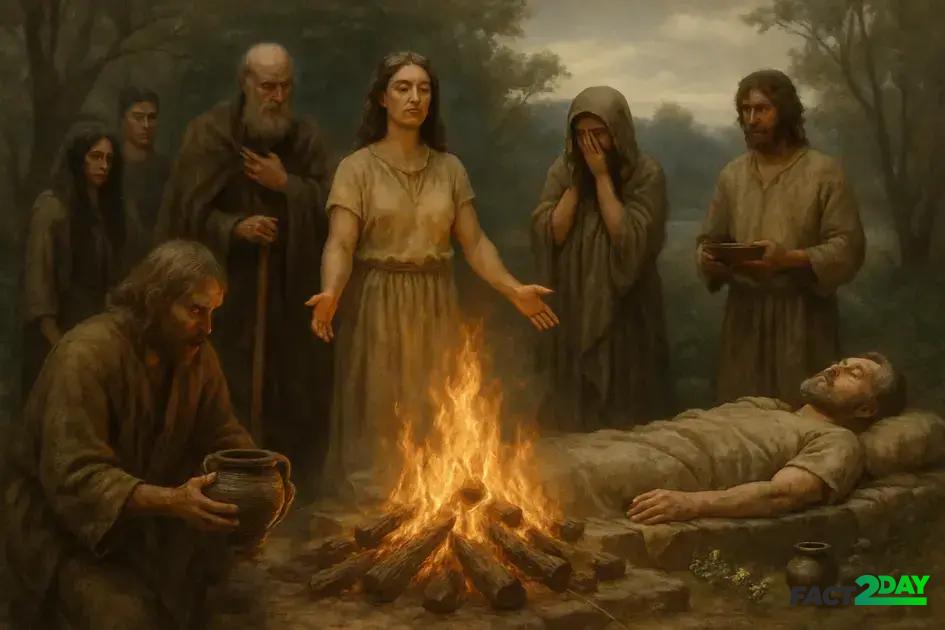
Historical death beliefs reflect how ancient civilizations understood the afterlife, shaping rituals, social hierarchies, and cultural practices that ensured the passage of the spirit and the maintenance of social order.
You may never have noticed, but historical death beliefs hold fascinating secrets about how ancient civilizations viewed life after death. Have you ever been curious about the rituals that gave meaning to the end of the human journey? Let’s explore these forgotten worlds together.
The Cultural Roots of Death Beliefs
Across ancient civilizations, cultural roots deeply shaped how societies viewed death and the afterlife. Many cultures believed that death was not an end, but a transformation or passage to another world. Ancient Egyptians, for example, held a complex belief system where death was a journey to the afterlife, with specific rituals to ensure a safe passage. They believed the soul needed protection and guidance, leading to elaborate burial customs.
Similarly, the Mesopotamians viewed the afterlife as a shadowy place where all souls went, regardless of their life’s deeds, showing their unique cultural perspective on death. In ancient China, the concept of ancestor worship highlighted the ongoing bond between the living and the dead, where honoring deceased family members was essential for harmony and good fortune.
Symbolism and Mythology
Symbols like the Egyptian Ankh, representing life, or the Greek myths of Hades and the Underworld, show how mythological elements framed death as part of a larger cosmic order. These stories reflected societal values and helped people make sense of mortality.
Understanding the cultural roots of death beliefs reveals how human societies cope with loss, seek meaning, and create frameworks for what comes after. These ancient perspectives continue to influence modern beliefs and rituals around death today.
rites of passage and their meanings
Rituals of passage related to death were vital in many ancient cultures. These ceremonies marked the transition from life to the afterlife and helped the community process grief. In ancient Egypt, the “Book of the Dead” guided the deceased through the challenges of the afterlife, showing how important preparation was. The mummification process itself was a sacred ritual ensuring the soul’s survival.
Among the Celts, funerals involved elaborate feasts and the belief that the spirit journeyed to the Otherworld. Fire and water were common ritual elements used to protect or guide souls. In some Native American tribes, rituals included dances and songs to honor the dead and ensure their peaceful passage.
Significance of Ritual Elements
Symbolic acts like lighting candles, offering food, or wearing special clothing helped connect the living with the spiritual world. These acts reflected the values and beliefs about death, community bonds, and respect for ancestors.
Understanding these death rituals offers insight into how different societies found meaning in loss and maintained social harmony during difficult times. These practices also helped individuals accept mortality as a natural and meaningful part of life.
how beliefs shaped ancient societies
Beliefs about death were powerful forces that shaped the laws, customs, and social structures of ancient societies. In many cultures, death rituals were linked to social status, with elaborate ceremonies reserved for leaders or nobles. This reflected a society’s hierarchy and values.
For instance, in ancient Egypt, pharaohs were considered divine and their burial rituals were grand, aiming to ensure their continued influence in the afterlife. Common people had simpler rites, showing a clear connection between belief and social order.
Religious and Political Influence
Religious beliefs often reinforced the power of ruling classes. Priesthoods controlled knowledge of death and the afterlife, which helped maintain their authority. Societies believed that pleasing the gods through rituals ensured prosperity and protection, so death practices also had political significance.
In some cultures, such as the Aztecs, human sacrifices were part of death-related beliefs, reflecting a cosmology where death and rebirth were cyclical and crucial for sustaining the world. These beliefs deeply influenced daily life, governance, and warfare.
By understanding how death beliefs molded ancient societies, we see how culture, religion, and power were intertwined, shaping the way people lived and died.
Understanding Ancient Death Beliefs and Their Impact
Ancient beliefs about death played a key role in shaping societies, influencing everything from social order to governance. These customs helped communities find meaning in loss and maintain harmony.
By exploring these beliefs, we gain insight into the deep connections between culture, religion, and power in history. They remind us that how we honor the dead reflects much about who we are and the values we uphold.
Studying these ancient practices not only uncovers fascinating history but also helps us appreciate the diverse ways humans have tried to understand life and death through the ages.