Cells of Fear: The Strangest and Most Inhumane Prisons in History
prisões históricas bizarras revelam celas tão estranhas quanto assustadoras, que parecem emergir de um pesadelo real. Descubra esses espaços incomuns e sua história.
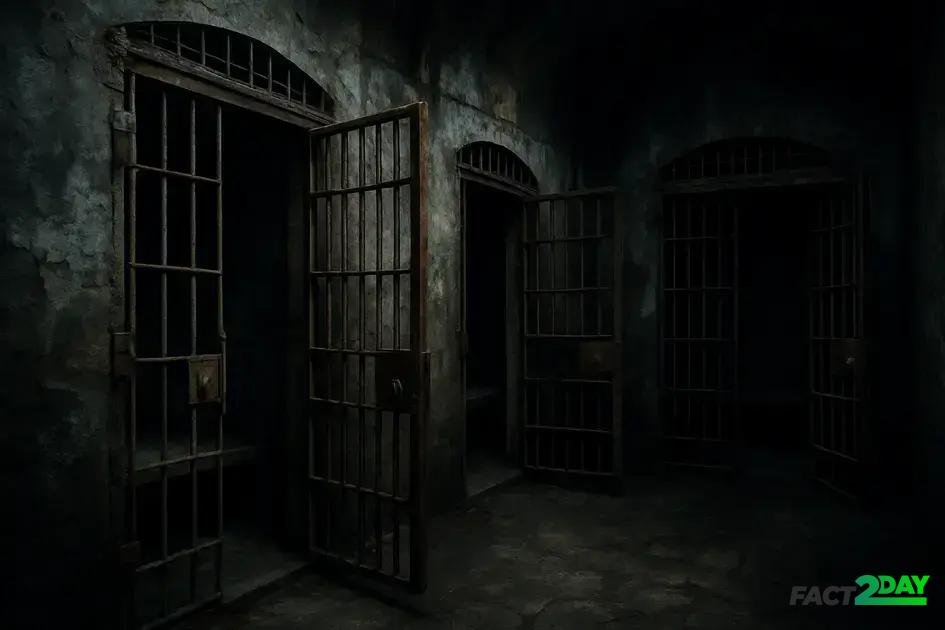
Bizarre historical prisons demonstrate extreme confinement methods that severely damaged inmates’ mental and physical health, revealing critical lessons for modern justice systems focused on humane treatment and rehabilitation.
Bizarre historical prisons hold secrets of places where confinement went beyond the physical and penetrated deep into the soul. Have you ever felt a chill just imagining these cells? These stories are uncomfortable, but they also provoke reflection on our humanity.
Bizarre prisons around the world: emblematic cases
Throughout history, there have been notorious examples of bizarre prisons around the world that challenge our understanding of human confinement. One famous case is the Alcatraz Island prison in the United States, known for its isolated location surrounded by cold waters that made escape nearly impossible. In Europe, the Eastern State Penitentiary introduced a unique design where inmates were kept in individual cells to encourage reflection, but the extreme isolation had negative psychological effects.
Another striking example is the Bastille in France, a fortress turned prison famous for its brutal conditions and political detentions. Farther east, the Japanese Abashiri Prison is known for harsh winters and labor-heavy sentences. These prisons varied from architectural wonders to places feared for their cruel treatment, reflecting different societal values and punishment styles over time.
Each case tells a story about how fear, punishment, and control were managed, often leading to unique and strange incarceration methods. Understanding these emblematic prisons helps us see how justice systems evolved and urges reflection on modern incarceration practices.
how these cells affect the minds and bodies of prisoners
The impact of bizarre prison cells on the mind and body of inmates can be devastating. Extreme isolation, such as in solitary confinement, often leads to anxiety, depression, and hallucinations. Physically, cramped and uncomfortable spaces can cause muscle atrophy and chronic pain. Many prisoners report feeling a loss of identity and time, which worsens mental health.
Psychological effects
Being confined to small, dark cells with little human interaction triggers stress and emotional breakdowns. These conditions disrupt normal brain function, impairing memory and concentration. The lack of sensory stimulation makes prisoners vulnerable to paranoia and intense fear.
Physical consequences
Cells with poor ventilation and minimal space restrict movement, causing weakness and long-term health problems. The absence of natural light disturbs sleep patterns, weakening the immune system. Poor hygiene conditions in some prisons add to these challenges.
Understanding these effects highlights the cruelty embedded in bizarre prison designs. This knowledge drives discussions on prison reform and human rights, emphasizing the need for more humane treatment of inmates.
what we learn from these stories for today’s justice
Studying bizarre historical prisons reveals valuable lessons for modern justice systems. These extreme examples show how harsh punishment can harm not only prisoners but society as a whole. Today, we understand the importance of balancing security with respect for human rights.
Human dignity in incarceration
One key lesson is that all prisoners deserve humane treatment. Cruel cells and excessive isolation have long-term negative effects. Modern justice advocates for rehabilitation and mental health support rather than just punishment.
Improving prison design and policies
Learning from the past, prison designs now focus on safety, comfort, and reducing harm. Policies emphasize education, work programs, and social interaction to help inmates reintegrate into society.
These lessons push societies toward a justice system that values reform and reduces recidivism. Reflecting on the odd and harsh methods used in strange prisons highlights the need for ongoing improvement and compassion in how we treat incarcerated individuals.
Reflecting on the lessons from bizarre prisons
Looking at strange and harsh prisons from history helps us understand the importance of treating prisoners with dignity and care. The negative effects on mind and body show why humane conditions are essential.
Modern justice systems are moving towards rehabilitation and support, learning from past mistakes. By focusing on reform, education, and better prison design, society can create safer communities and give inmates a chance to change.
These lessons remind us that justice should be about fairness and respect, not just punishment. Improving how we treat prisoners benefits everyone in the long run.