The Truth in Disguise: History’s Greatest Forgeries and Deceptions That Fooled the World
Falsificações históricas revelam enganos que moldaram o mundo. Descubra as histórias por trás dos maiores truques que confundiram gerações.
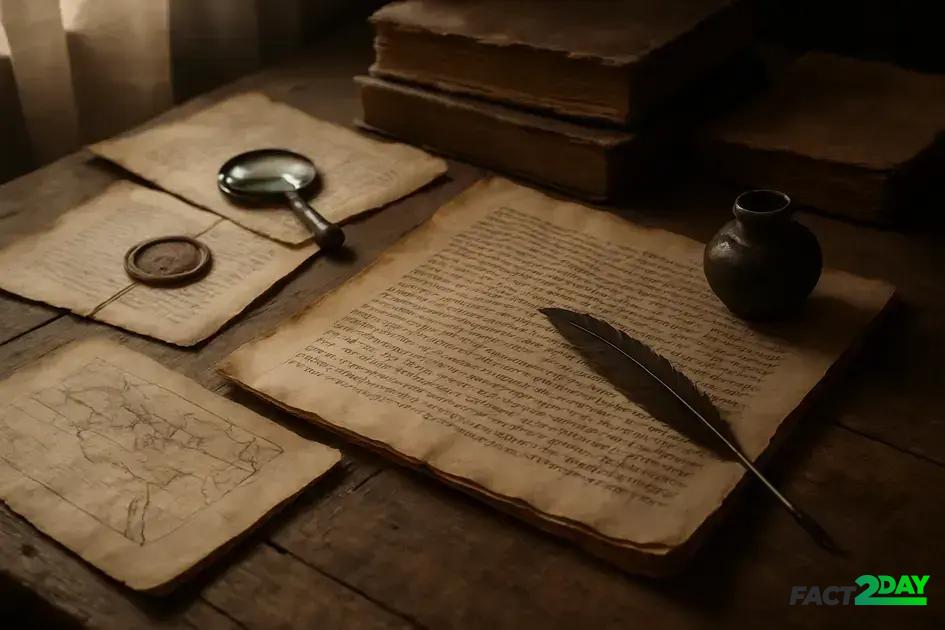
Historical forgeries are deliberate fabrications or alterations of documents and artifacts that have misled societies by shaping political power, religious beliefs, and cultural narratives throughout history and continue to influence information integrity in the modern world.
Have you ever wondered how some historical forgeries have managed to deceive thousands of people for centuries? Perhaps it’s time to explore these enigmas that show how the truth can often be masked by invented or manipulated stories.
Major Forgeries and Their Historical Impacts
Throughout history, some of the most notable falsifications have deeply influenced societies, politics, and cultural beliefs. One famous example is the “Donation of Constantine,” a forged Roman imperial decree that was used throughout the Middle Ages to legitimize the authority of the Papacy. This document manipulated the perception of power for centuries before it was proven false.
Another significant case is the “Shroud of Turin,” believed by many to be the burial cloth of Jesus Christ. Scientific analyses have brought debates and controversies, raising questions about its authenticity and its impact on religious faith.
The implications of historical forgeries
These falsifications did not just mislead people; they shaped political decisions, religious doctrines, and cultural identities. For instance, forged maps or documents have sometimes redirected exploration efforts or territorial claims, altering the course of history.
Understanding these cases helps us realize how knowledge can be manipulated, emphasizing the importance of critical analysis and evidence in studying the past. These examples remind us that behind some historical narratives lies deception that influenced millions and still intrigues historians today.
How to identify and understand the motivations behind counterfeits
Identifying historical falsifications requires critical thinking and attention to detail. Experts often analyze the materials used, the language style, and the context of the document or artifact. For example, anachronisms like words or materials that didn’t exist at the claimed time raise red flags.
Common methods to detect falsifications
Scientific tools such as carbon dating, ink analysis, and digital imaging help verify the authenticity of objects. Comparing suspicious items with known genuine examples also offers clues about possible fraud.
Understanding motivations behind falsifications
Often, falsifications are created to gain power, influence, or financial benefit. Some aimed to bolster political claims or religious authority, while others sought personal fame or money. For instance, a forged document might support a ruler’s right to a throne or an artifact could be sold for a high price on the market.
By learning how to spot these fabrications and the reasons they were made, we gain insight into human nature and the lengths some will go to rewrite history. This awareness also helps us become more careful consumers of historical information.
The role of counterfeits in the modern world and lessons for the future
In today’s world, falsifications still influence politics, culture, and even social media. Fake news, manipulated images, and altered documents can spread quickly, shaping public opinion and causing misinformation on a large scale.
The ongoing impact of falsifications
Modern falsifications often aim to sway elections, promote propaganda, or create confusion. These deceptive practices can undermine trust in institutions and damage social cohesion. For example, fabricated evidence or misleading statistics can alter voter behavior or tarnish reputations.
Lessons for the future
Understanding historical and modern falsifications teaches us the importance of verifying information before accepting it as truth. Promoting media literacy and critical thinking is key to identifying false information. Technologies like blockchain and AI are being explored to help safeguard authenticity and reduce the spread of forgery.
By learning from past deceptions, society can build stronger defenses against misinformation and preserve the integrity of information for future generations.
Understanding the importance of historical and modern falsifications
Exploring the stories behind historical falsifications helps us see how deception can shape our past and present. These forgeries have influenced politics, religion, and culture in profound ways.
By recognizing the motivations and methods behind these falsifications, we learn to question information critically and avoid being misled. This is especially important in today’s world, where false information spreads fast online.
Embracing media literacy and new technologies will help protect truth and preserve the integrity of information for future generations. Staying informed and cautious allows us to better understand history and current events with a clear and open mind.