The Laboratory of the Past: The Most Unusual and Dangerous Scientific Experiments in History
Experiências científicas históricas revelam os experimentos mais inusitados e perigosos já realizados, despertando curiosidade sobre o que o passado nos ensina.
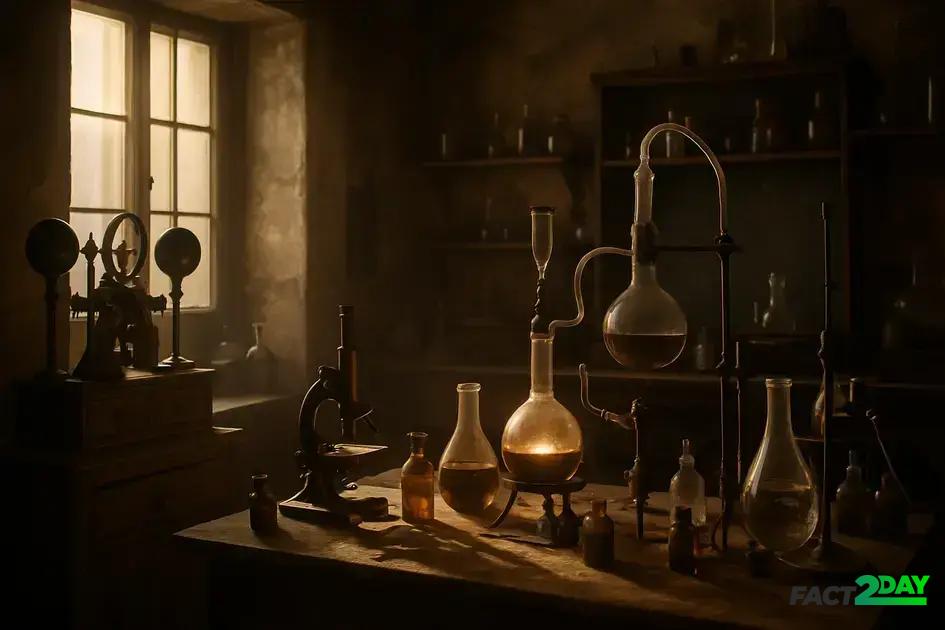
Historical scientific experiments include unusual and dangerous experiments that revealed ethical and practical limitations, influencing modern research safety and ethics protocols.
You may never have noticed, but historical scientific experiments hold curious and dangerous stories that shaped our understanding of the world. Have you ever felt that mix of fascination and apprehension when imagining these laboratories of the past?
The most curious experiments in the history of science
Throughout history, science has seen some unusual and fascinating experiments that pushed the boundaries of knowledge. From testing human endurance to exploring unknown natural phenomena, these experiments often challenged not just scientific limits but ethical ones as well.
One famous example is Luigi Galvani’s work in the 18th century, where he discovered “animal electricity” by applying electric currents to frog legs, causing them to twitch. This unexpected result sparked further studies into bioelectricity, paving the way for modern neurophysiology.
Another interesting case is the Cold War experiments involving weather control attempts. Scientists tried to manipulate the atmosphere to influence rain and storms, reflecting how curiosity can sometimes lead to extreme and high-risk ideas.
Some experiments also explored human psychology, such as early sensory deprivation studies, which revealed how isolation impacts the human mind. These tests were rudimentary but offer insight into how scientific inquiry embraced creative, though sometimes unsettling, approaches.
Despite their oddities, these experiments have greatly contributed to our understanding of the world, reminding us that science often progresses through bold ideas and unexpected findings.
risks and unexpected consequences in old laboratories
Many early scientific experiments carried hidden dangers, often due to limited knowledge about the materials and methods used. Risks and unexpected consequences were common in old laboratories, where safety standards were minimal or nonexistent.
For instance, many researchers worked with toxic chemicals without protective gear, leading to serious health problems or even death. Mercury and arsenic were frequently used, exposing scientists to long-term poisoning.
Accidental Infections and Radiation Exposure
Some experiments involved infectious agents, sometimes resulting in accidental outbreaks. The lack of containment protocols caused illnesses among researchers and nearby populations. Similarly, early studies with radiation, before its dangers were understood, caused severe burns and lasting harm to many pioneers in the field.
Equipment Failures and Explosions
Old laboratories often lacked reliable equipment, leading to explosions or fires. The handling of volatile substances like nitroglycerin or chemical reactions without proper controls often turned deadly. Documented cases reveal how entire facilities could be destroyed because of such mishaps.
These risks demonstrate how the pursuit of knowledge sometimes came at a high price. They also highlight the importance of modern safety standards that protect scientists and the public today.
lessons we learned from controversial experiments
Controversial experiments have shaped science by teaching us important ethical and practical lessons. Some studies pushed the limits of morality, causing harm or raising serious questions. From these, we learned the need for clear ethical guidelines in research.
Respect for Human Rights
Experiments like the Tuskegee Syphilis Study showed how ignoring human rights leads to tragic consequences. Today, protecting participants’ consent and well-being is a fundamental requirement in scientific research.
Importance of Safety Protocols
Many past experiments ignored safety measures, resulting in accidents or lasting health problems. This history reminds us why strict laboratory safety protocols and risk assessments are essential before conducting any scientific study.
Moreover, controversies have encouraged transparency and oversight in research. Institutional review boards and ethical committees now work to prevent unethical practices, ensuring science advances responsibly.
These lessons continue to guide researchers, helping balance curiosity with care and respect for all involved.
Lessons from the past guide the future of science
Controversial experiments from history show us how important ethics and safety are in research. By learning from past mistakes, science has become safer and more responsible.
Respecting human rights, following strict safety protocols, and maintaining transparency help protect everyone involved. These steps ensure that scientific progress benefits society without causing harm.
As we move forward, keeping these lessons in mind will help science advance in a way that is both innovative and ethical.