When Nature Won the War: Battles Decided by Storms, Ice, and Mud
Batalhas climáticas mostram como tempestades, gelo e lama moldaram guerras, revelando a força inesperada da natureza sobre o destino humano.
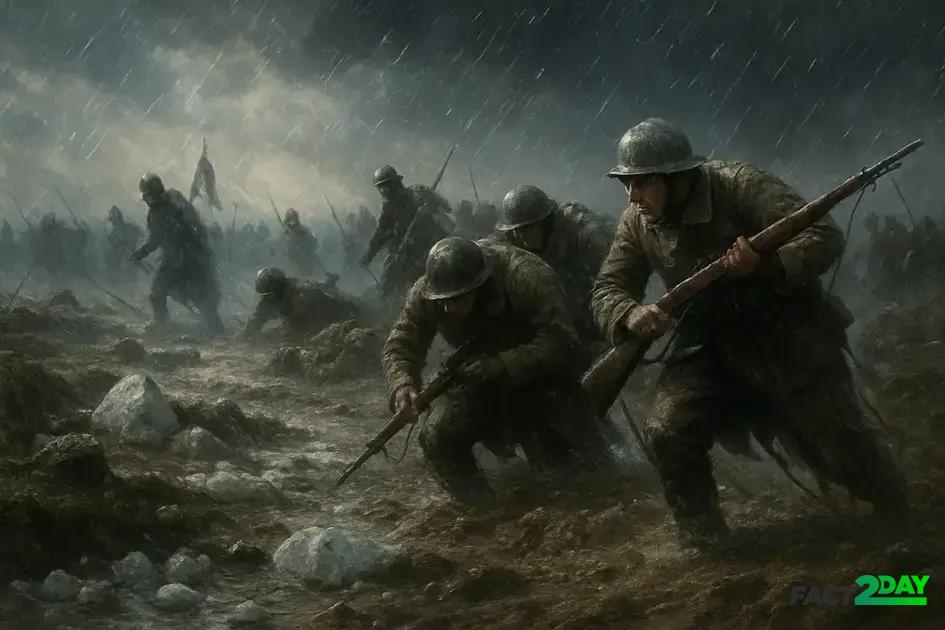
Weather battles refer to historic military conflicts where severe weather like storms, ice, and mud decisively impacted strategies, troop movements, and outcomes, highlighting nature’s powerful role in shaping warfare and its lessons for present-day planning.
Weather battles remind us that sometimes nature itself decides the course of conflicts. Have you ever imagined how a storm or intense cold can turn the tide of war? Let’s explore together episodes where the weather spoke louder than soldiers and weapons.
how climate influenced historical battles
Throughout history, climate has played a crucial role in the outcome of many battles. Severe weather such as storms, extreme cold, and heavy rain have challenged armies, often shifting the tide in unexpected ways. For example, during the Napoleonic Wars, the harsh Russian winter devastated Napoleon’s Grande Armée as freezing temperatures, snow, and ice made advancement nearly impossible.
Historic battles like the Battle of Agincourt in 1415 also show how muddy and wet conditions slowed down heavily armored troops, giving an advantage to lightly equipped archers. Similarly, sudden storms have disrupted naval battles, forcing fleets to retreat or causing severe damage.
Environmental conditions directly affected troop movements, supply lines, and morale. Commanders had to adapt strategies to unpredictable weather, sometimes delaying attacks or repositioning forces. Understanding how climate shaped these historic events reveals the unpredictable power of nature over human plans.
military strategies affected by storms and ice
Military strategies have often been shaped or entirely altered by severe weather conditions such as storms and ice. Commanders had to rethink their plans when unexpected cold fronts, heavy snowfall, or violent storms struck the battlefield. For instance, during the Crimean War, icy conditions made troop movements slow and dangerous, forcing armies to adjust logistics and timing.
Storms could disrupt communication lines and delay reinforcements. Armies caught in blizzards or heavy rain often found their weapons and supplies damaged or unusable. Planning around weather was essential; some commanders used frozen rivers as unexpected battlefields, while others delayed assaults waiting for thawing to avoid getting trapped in mud.
Adapting to these conditions required flexibility and awareness of nature’s power. Troops had to endure harsh environments, and successful commanders accounted for the risks of weather in their tactics. This ability to incorporate climate variables into strategy sometimes meant the difference between victory and defeat.
lessons from climate battles for the present
Studying climatic battles offers important lessons for modern military and disaster planning. Understanding how weather conditions affected past conflicts helps commanders anticipate challenges and adapt strategies accordingly. For example, ensuring troops are prepared for extreme cold or unexpected storms can prevent logistical failures seen in history.
Modern technology allows for better weather forecasting and real-time monitoring, but the lessons from past battles remind us that nature remains unpredictable and powerful. Military planners now incorporate environmental data into training and operations to improve resilience.
Beyond warfare, these insights also inform civilian disaster preparedness. Recognizing how rain, ice, or mud can disrupt movement and supply chains supports better infrastructure design and emergency response plans.
Ultimately, the key takeaway is respecting the power of nature and planning for its impact, no matter how advanced human tools and strategies become.
Understanding the impact of climate on battles is crucial
History shows us that weather can change the course of wars, forcing armies to adapt or face defeat. From storms and ice to mud and freezing cold, nature has often been a powerful force in battle.
Today, we can learn from these events to better prepare for challenges, using modern technology and planning to reduce risks caused by harsh climates. Respecting nature and its power remains essential in both military and everyday life.
By studying past climatic battles, we gain valuable insights that help us face the future with greater awareness and readiness.